





Fut Infinito EVENTS
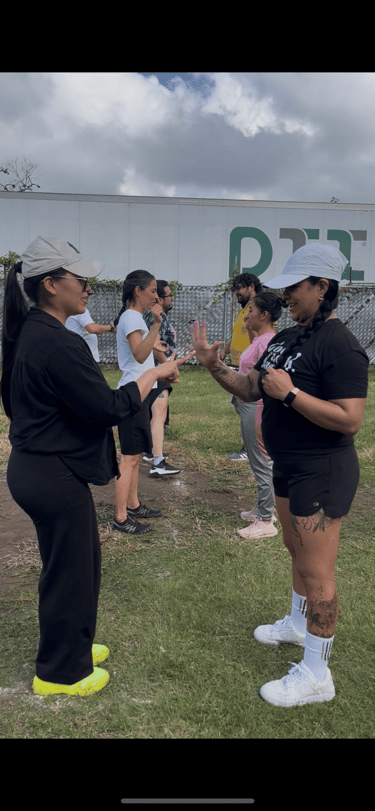
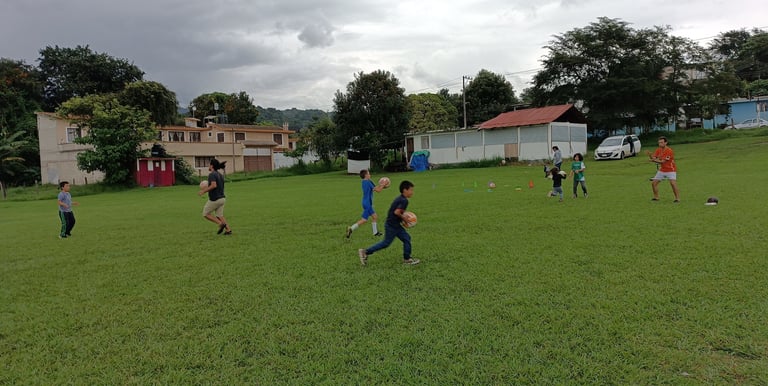
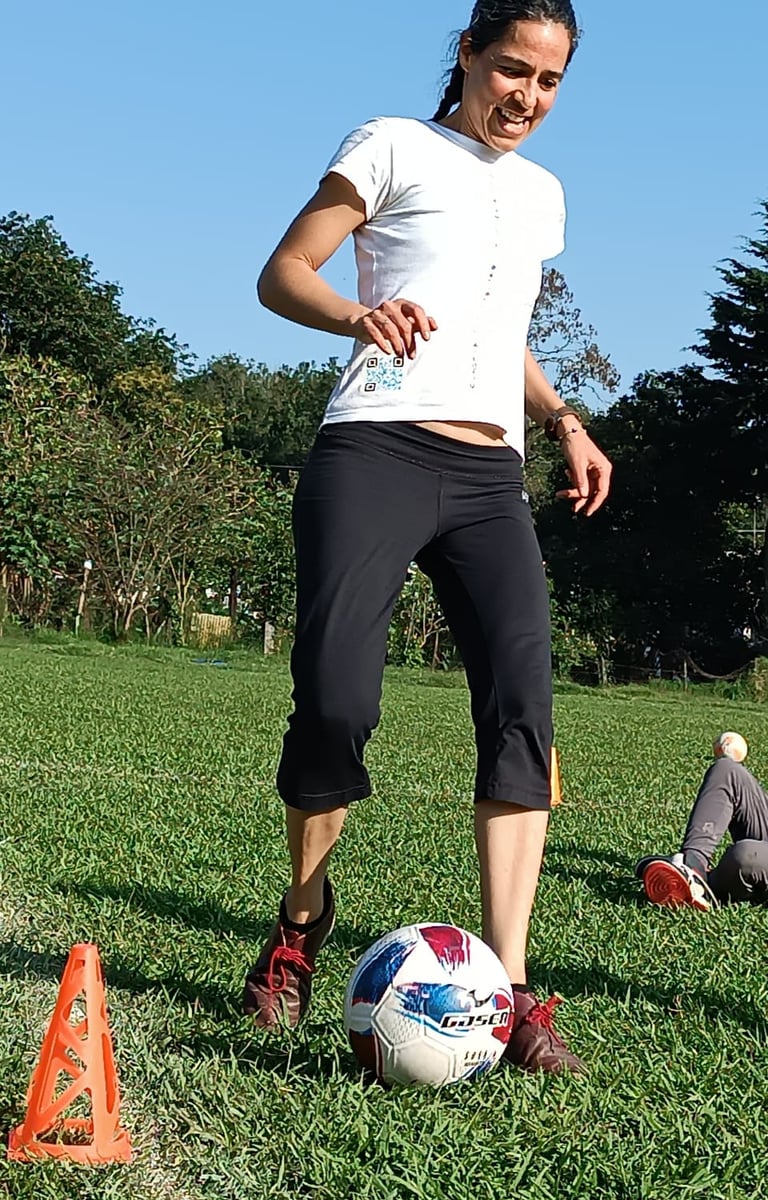
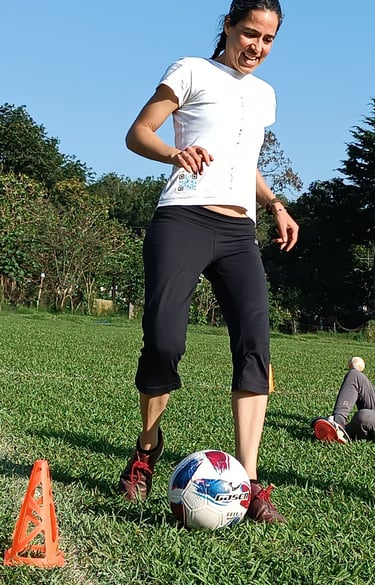
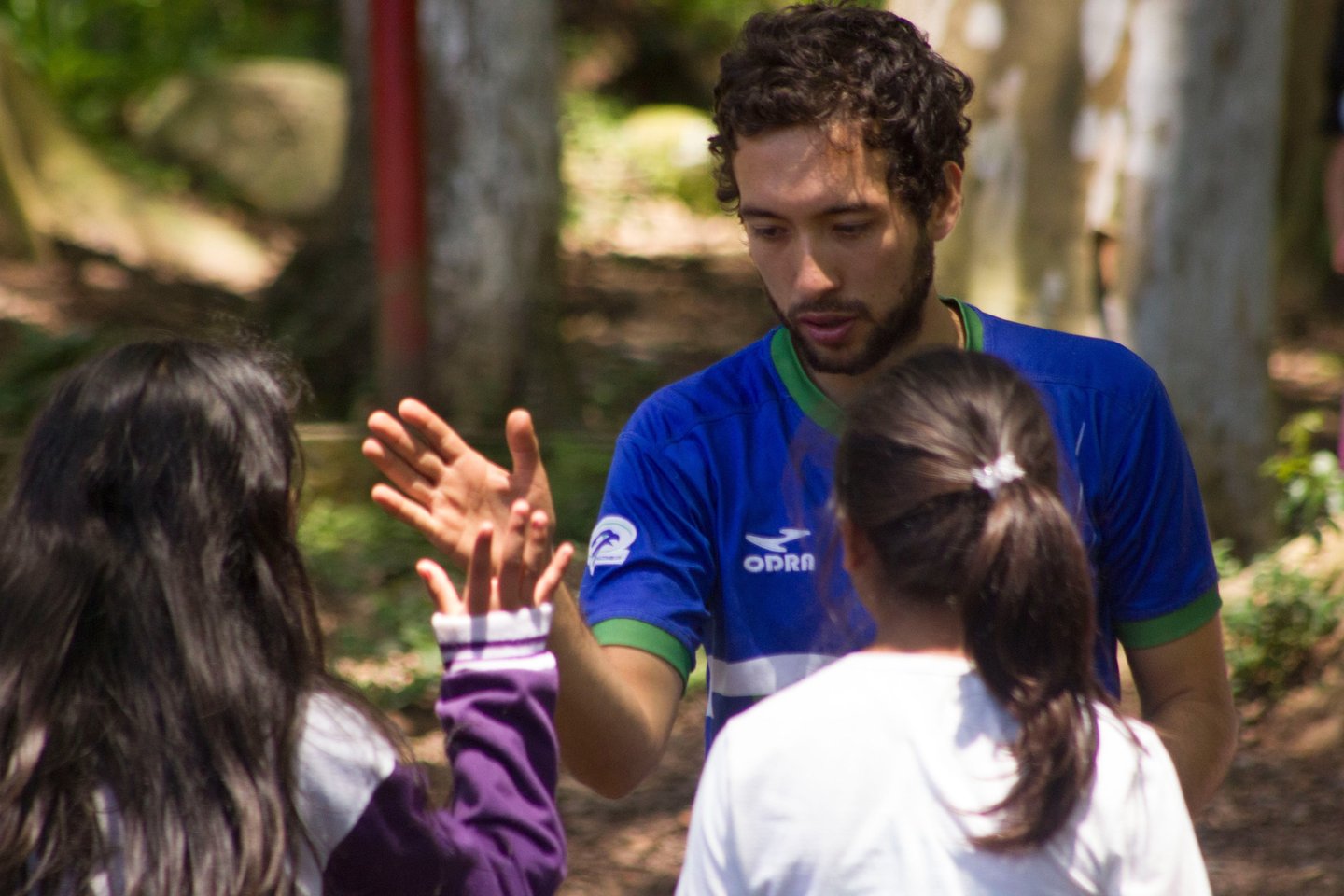
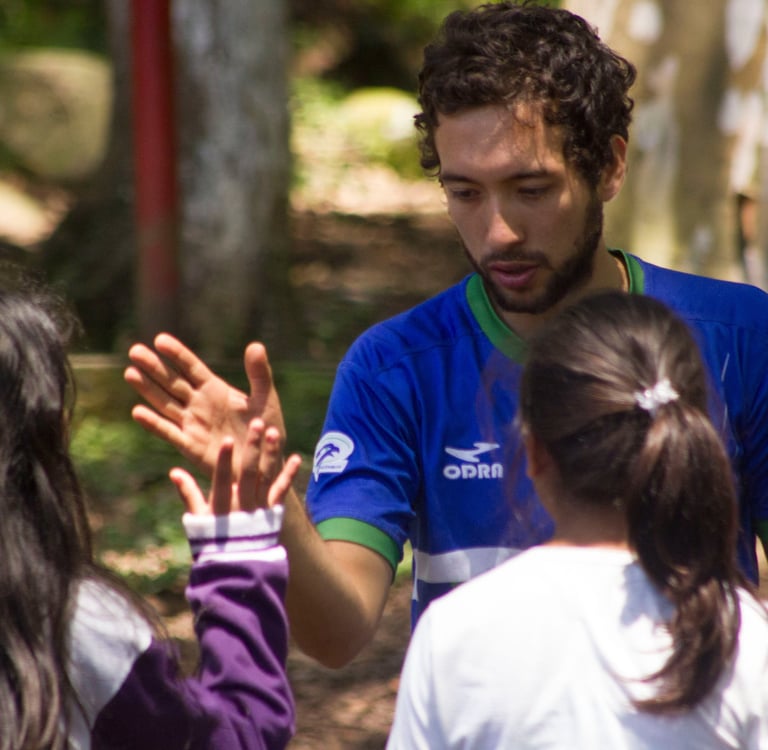
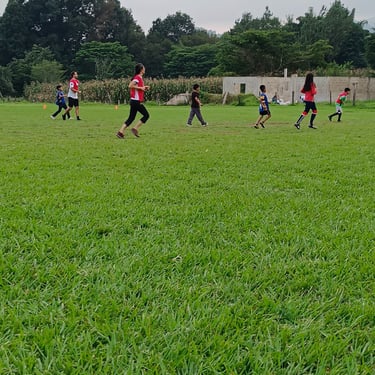
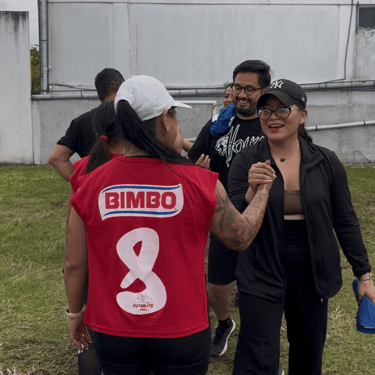
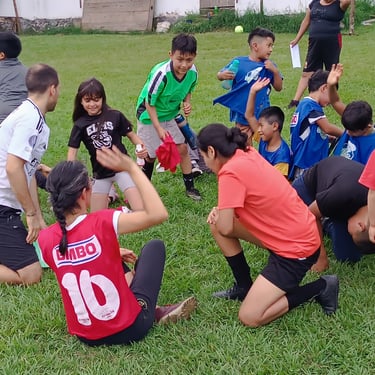
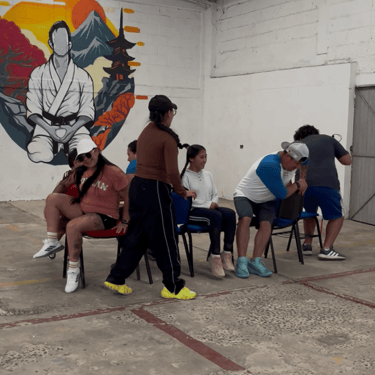
Find out here about Fut Infinito events. We regularly organize training sessions, workshops, camps, game afternoons, and pick-up games!
Fut Infinito DNA
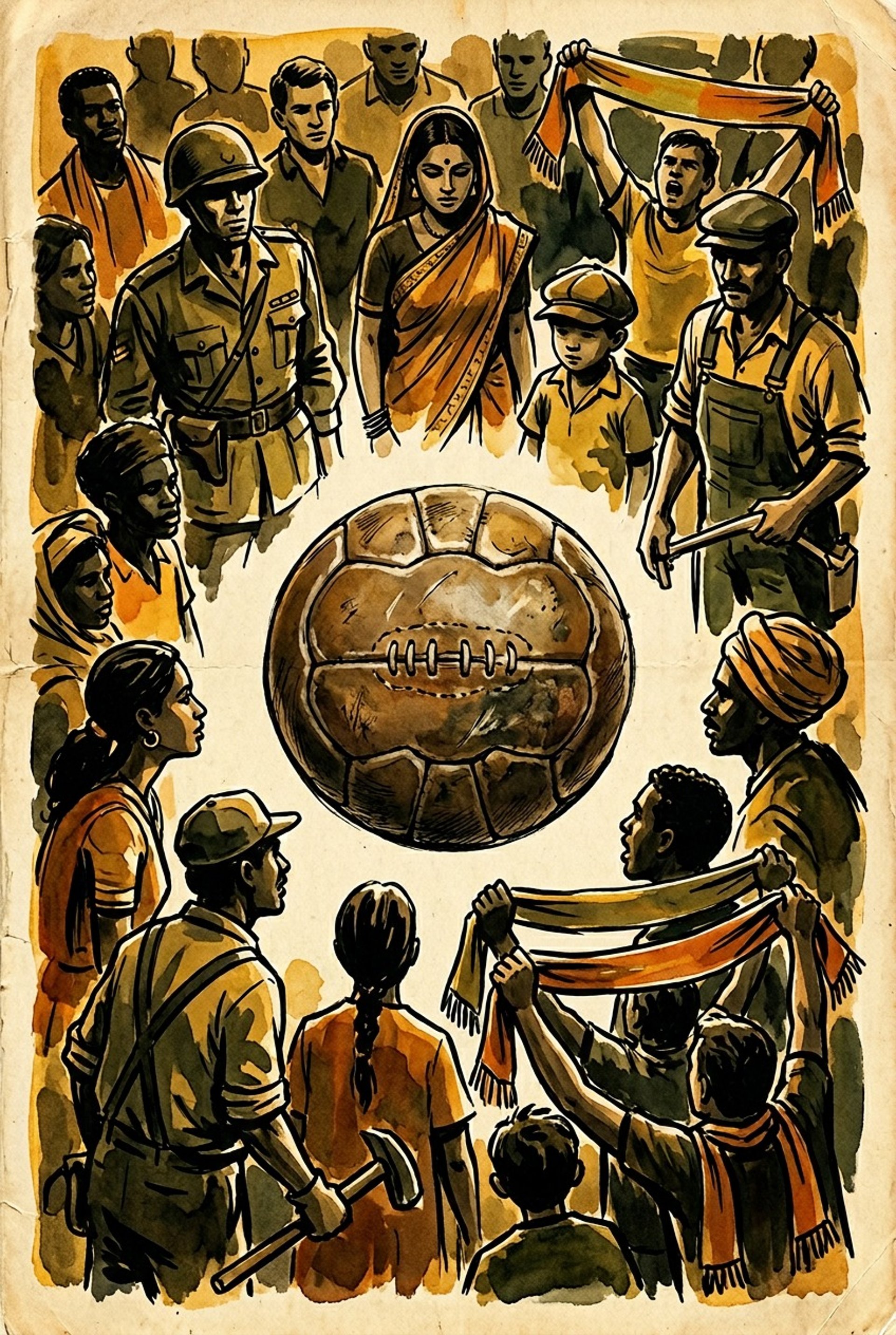
In conventional soccer, innovations focus on increasing performance, entertainment, spectacle, and profit margins. In this sports model, we challenge the myths that shape sports currently, which separate and polarize. In Fut Infinito, we play to enjoy and to unite.
Self-direction
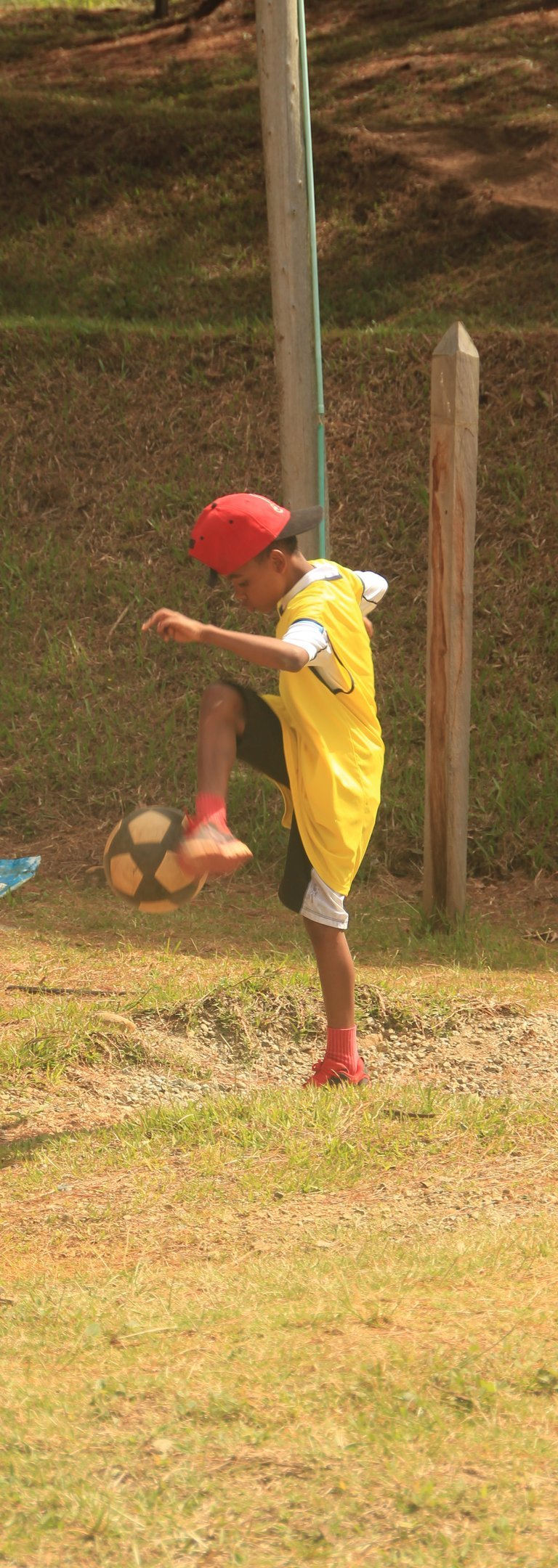
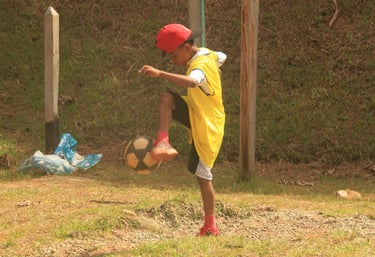
Players participate in their own evolution. They make their own decisions about what they want to experience, improve, and discover in their practice, with the "maximal support, minimal interference" of FI facilitators. A player who understands play, and not just executes it by the coach's instructions, has a more integral experience of playing.
Play Based Evolution
We leave behind rewards and punishments (external motivation). Love for playing (internal motivation) and enjoyment become the most powerful elements for the evolution of our players.
Instead of trophies or punishments, we use badges that recognize honesty, camaraderie, and perseverance. This broadens the range of who can be seen and valued in this space.
Community creation
Our players belong to a safe space where support, care, and affection are non-negotiable. A healthy culture of common unity that allows them to connect with themselves and their peers to create meaningful experiences.
Competition as an act of service
My rival is not my enemy. We compete to become competent, to evolve, in opposition, but together. We care for and respect our rivals because thanks to them, we can play, enjoy, and grow.
Safe space
"I care for myself, I care for you and we care for each other" - people first, before players. In Fut Infinito spaces, there's no room for discrimination, bullying, or any kind of violence. Conventional soccer has normalized violence as a mode of interaction; here, we leave that behind and play in peace.
Mistakes are not punished: they are met with curiosity. Difficult behaviors are not a lack of will, but skills that haven't been learned yet. We ask "what does this person need?" instead of "what's wrong with them?"
We understand that learning happens in the nervous system. We use Polyvagal Theory to know whether a player is in a state of safety and connection (where learning happens), in a state of defense (fight/flight), or in collapse (disconnection). Our job as facilitators is to activate the neuroception of safety — through a calm voice, predictable routines, and our own self-regulation — so that the body knows there is no threat here, only play.
The Nervous System: the map of how we learn and connect


Community directory